
Priming your body for pregnancy
It is well known that nutrition during pregnancy is important. However, many of us forget our habits and dietary patterns before falling pregnant can affect our baby’s health at birth, as well as for their entire lifetime.
Getting it right can be challenging – there is lots of information available about what foods we should and should not be eating to improve fertility, but often this information is misleading or conflicting.
When it comes to dietary advice, how do I know what to believe?
We’ve taken some of the leg work out for you and put together a summary of the latest evidence-based nutrition advice to improve fertility. Read on to find out the important things you can do to improve your reproductive health and prepare your body for conception.
Weight matters
Losing weight, if you are above the healthy weight range, is recommended for good health now (and for increasing your chances of falling pregnant), as well as for a healthier pregnancy. It is important to remember to still focus on a nutritious, balanced meal plan to ensure your nutrient stores are optimised. To kick start your way to a healthier weight, remember:
- Focus on adequate fruit and vegetable intake
- Listen to your hunger cues and minimise non hungry eating
- Aim to be active for at least 30 minutes each day
Folate and folic acid
Folate is needed for healthy growth and development for your baby and reduces the chance of neural tube defects (e.g. spina bifida). Daily supplementation with 400 micrograms (µg or mcg) folic acid is recommended for women one month prior and 3 months post conception (i.e. in the first trimester of pregnancy). A supplement is good, but it is still important to focus on eating a diet rich in folate including green leafy vegetables, fruit, and breads/cereals fortified with folic acid.
Choose the right types of fat
Balancing the types of fats we eat is important. We do know that eating less ‘trans fats’ can improve fertility, whilst adding in healthier unsaturated fats can boost fertility further. We hear a lot about trans fats in the media – especially out of the United States. This is because they have a very different food supply to us. The Australian diet is very low in trans fats – our dietary goal is no more than 1% of energy (we currently consume 0.6% of our energy from trans fats, while Americans eat almost 3%). However, it is still wise to limit foods that contain high amounts of saturated fats, as trans fats usually turn up in these foods. Trans fats can be found in foods such as partially hydrogenated vegetable oils e.g. vegetable shortening, most commercial baked goods such as biscuits, pastries and donuts, and many fried foods.
Unsaturated fats, including mono and polyunsaturated fats, are important structural components of cell membranes, the central nervous system, and retinal cell membranes. It is especially important to make sure to include polyunsaturated fats in your diet as these essential fatty acids cannot be made by our body. Therefore, we must get these through dietary sources including oily fish, flax seeds, walnuts and vegetable oils. The fatty acids from fish are a lot more potent than those in nuts and seeds.
Slow not low (or no!) carbohydrates
Successful conception requires a balance of the right hormones, at the right levels, at the right time. It is known that higher levels of circulating insulin can have a negative impact on a woman’s hormone cycles – specifically ovulation. Low GI carbohydrates are absorbed slowly in our bodies and lead to a gentle rise in blood glucose levels, thus minimising insulin spikes. This, in turn, can improve fertility. Simple ways to include low GI carbohydrates are:
- Choose wholegrain bread in place of high GI options such as white and wholemeal.
- Opt for doongara or basmati rice in place of jasmine rice (also labelled as ‘Low GI Rice’)
- Eat sweet potato instead of white potato
- Select whole grain crackers in place of highly processed crackers and biscuits
Caffeine
Some evidence suggests that the consumption of caffeine may prolong the time to pregnancy and affect the health of your developing baby, most likely in a “dose-dependent” way (the more you drink, the longer it might take). This is thought to be due to the affect caffeine has on ovulation and corpus luteum function (secretion of hormones to maintain early pregnancy) through alterations to hormone levels. It is recommended that women trying to conceive limit their caffeine intake to the equivalent of 1-2 cups coffee per day.
Be a flexitarian!
You need protein every day. Protein comes from either animal or plant sources. Research shows that fertility is enhanced when you aim to get your daily protein from as many sources as you can. Aim for at least half of your protein intake from plants – beans, lentils and legumes, nuts, peanut butter, whole grains and seeds. Choose fish, eggs, and poultry for most of the rest, while limiting red meat to once or twice a week.
Putting it all together – the ‘Fertility Diet’
Unfortunately, there is no one food that you can eat that will improve your fertility. Each different food group has a role in helping you conceive and priming your body for pregnancy. Similarly, by following diets that cut out entire food groups you are potentially restricting your intake of essential nutrients that may cause nutrient deficiencies that alter your body’s ability to conceive and the growth and development of your baby.
- Choose foods from all food groups in line with the Australian dietary guidelines. This includes cereals/grains, fruits and vegetables, dairy and dairy alternatives, and meat and meat alternatives
- Include a folic acid supplement with at least 400 µg of folate
- Include unsaturated fats such as vegetable oils (olive, sunflower, canola), avocado, nuts, and oily fish, whilst limiting trans fats such as biscuits, pastries, fried foods (as well as other ultra-processed foods)
- Choose low GI carbohydrates
- Limit your caffeine intake to1-2 caffeine containing drinks per day
- Choose half your protein from animal sources, half from plants
If you would like further information book an appointment with a Lifestyle Maternity Dietitian or enrol in one of our online, self-paced courses.
IMAGE CREDIT: Unsplash/Thought Catalog 62
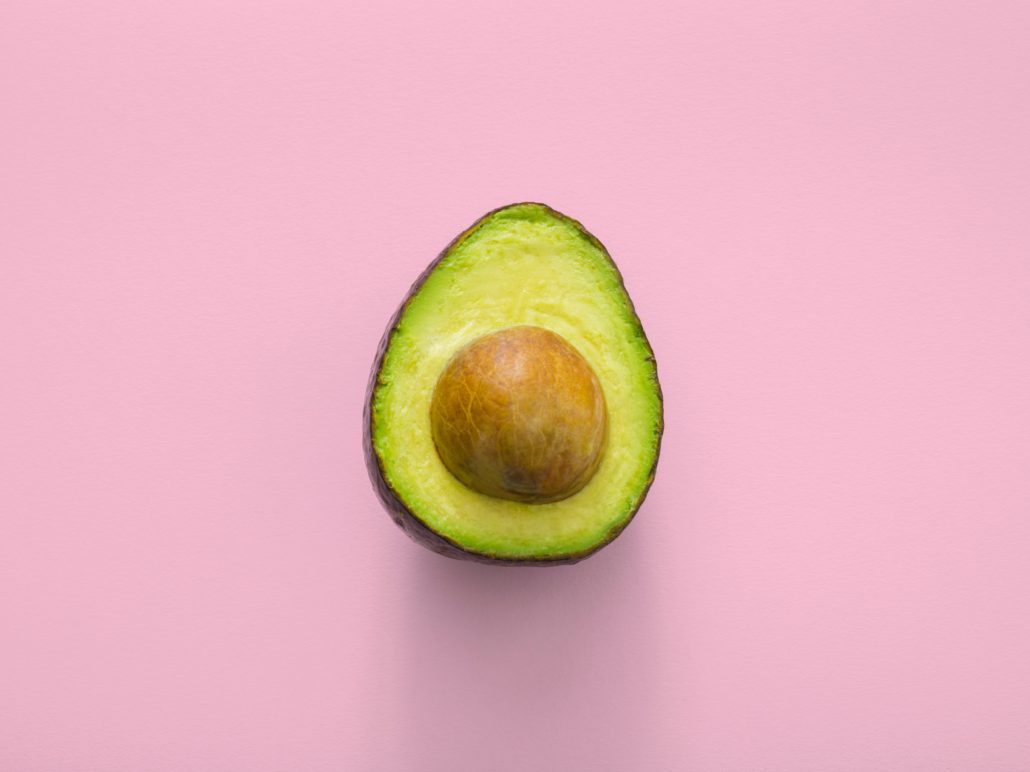
IMAGE DESCRIPTION: Half an avocado with seed in the centre on a pink background






 Find us on
 Mon: 9:00-15:30

