
• Members area
Lifestyle Maternity
  • Link to Instagram
  • Link to Mail
  • Home
  • Our Clinic
    • How We Work
    • Our Dietitians
    • Our Partners
    • For Health Professionals
  • Our Services
    • Preconception
    • Pregnancy
    • Postnatal
  • FAQs
  • Resources
    • Free Resources
    • Nourish & Nurture Programs and PeNut Cookbooks
    • Members area
    • Booking Terms and Conditions
    • Disclaimer
    • Privacy Policy
  • Blog
  • Contact
  • BOOK NOW
  • Click to open the search input field Click to open the search input field Search
  • Menu Menu
You are here: Home1 / Nutrition News2 / DoHAD

Tag Archive for: DoHAD

Fertility, PCOS, Preconception, Pregnancy, Weight

What are Ozempic babies?

The term “Ozempic babies” has been circulating on social media, referring to the unexpected pregnancies of women taking Ozempic or similar GLP-1 medications for weight loss. While the reasons behind these pregnancies are complex, it’s important to understand the potential implications and take necessary precautions.

 Why are “Ozempic babies” happening?

Several factors likely contribute to the increased number of pregnancies among women taking GLP-1 medications:

  • Improved fertility: Weight loss, often achieved with GLP-1 medications, can improve fertility in individuals who are living in a larger body.
  • Hormonal changes: GLP-1 medications can affect hormones involved in ovulation and menstrual cycles, potentially making it easier to conceive.
  • Decreased effectiveness of contraception (birth control): Some experts have reported that GLP-1 medications might reduce the effectiveness of hormonal birth control methods.

What should you do if you become pregnant while taking Ozempic?

If you become pregnant while taking Ozempic or a similar medication like Wegovy or Mounjaro, it’s crucial to:

  • Stop the medication immediately: Discontinue using the medication as soon as you suspect pregnancy or receive a positive pregnancy test.
  • Consult your doctor: Schedule an appointment with your healthcare provider to discuss your pregnancy and any potential risks associated with your previous medication use.
  • Antenatal care: Seek regular antenatal care to monitor your pregnancy and the health of your baby.

Preventing Unplanned Pregnancies

To prevent unplanned pregnancies while taking GLP-1 medications, consider the following:

  • Reliable contraception: Use a reliable form of birth control, such as an intrauterine device (IUD) or a hormonal implant, which are less affected by GLP-1 medications.
  • Regular pregnancy tests: If you are sexually active, consider taking regular pregnancy tests, especially if you experience any changes in your menstrual cycle.

 How can a dietitian help if I am taking a GLP-1 medication?

GLP-1 medications can be a valuable tool for weight loss, but it’s essential to be aware of potential nutritional issues, especially when considering pregnancy.

The risk of nutrient deficiencies when taking a GLP-1 medication is high. A GLP-1 medication often leads to reduced or no appetite. These changes  in food intake can increase the risk of nutrient deficiencies, including vitamins, minerals, and essential fatty acids. It’s crucial to maintain a balanced diet rich in whole foods to minimise this risk.

That’s where an Accredited Practising Dietitian can help. Working with a dietitian can  provide tailored guidance and support to optimise weight loss and overall health while you are on your fertility journey.

Dietitians can:

  • Provide you a personalised nutrition plan,
  • Help you manage any medication side effects that impact what you eat,
  • Guide your long-term weight management goals, including into and beyond pregnancy,
  • Help you address (and minimise the chance of) potential nutrient deficiencies, and
  • Support your overall well-being, including understanding and managing your relationship with food and changes to your body shape and image.


The phenomenon of “Ozempic babies” highlights the importance of understanding the potential risks and benefits of GLP-1 medications, especially for women of reproductive age. While these medications can be effective for weight loss, it’s crucial to weigh the potential risks and take necessary precautions to prevent unplanned pregnancies.


NEED MORE HELP?

We offer individual consultations and self-paced online courses as we know you all have different learning styles and budgets. Attending an individual session OR online course with a Lifestyle Maternity dietitian will allow you to assess your diet against recommended guidelines and identify changes that can be tailored to your lifestyle and dietary preferences.

In our self-paced online course you will be encouraged and guided to assess your own health habits against fertility recommendations, participate in activities around setting health goals for optimal nutrition and learn how to adapt your routines with confidence to achieve these goals to make them stick.

An individual consult involves a more thorough assessment of your dietary and lifestyle patterns with a personalised action plan being developed in collaboration with the dietitian. If you would like further information book an appointment  now.
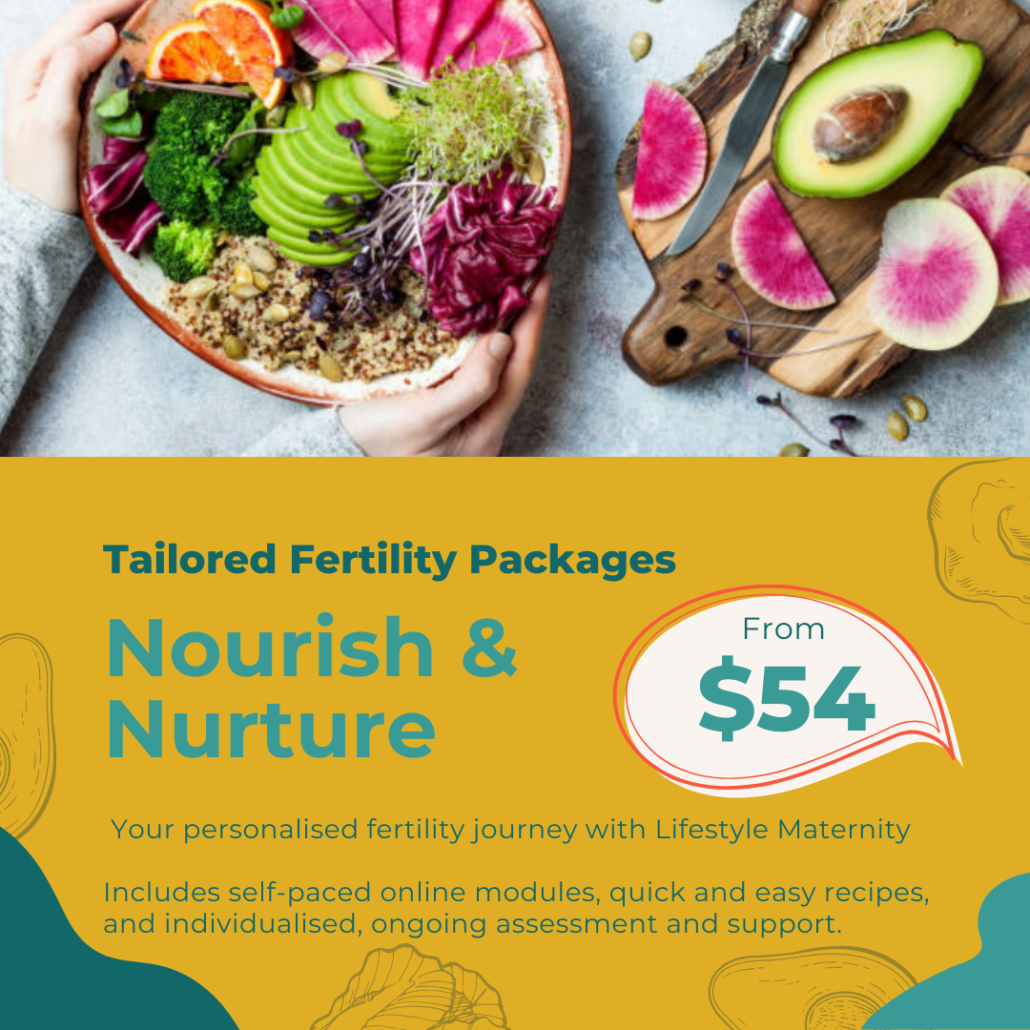


IMAGE CREDIT: Daniel Jerico, Unsplash

IMAGE DESCRIPTION: Egg shell cracked in two with tally marks on the inside and chick foot prints walking away from it.
5 December 2024/by Shelley Wilkinson
https://lifestylematernity.com.au/wp-content/uploads/2024/12/daniel-jerico-iJP-hMgs_Qc-unsplash-scaled.jpg 2560 2159 Shelley Wilkinson http://lifestylematernity.com.au/wp-content/uploads/2022/07/Lifestyle-Maternity-logo.png Shelley Wilkinson2024-12-05 15:37:112025-01-29 15:05:04What are Ozempic babies?
Pregnancy

What happens in the first 9 months can last a lifetime – understanding fetal programming.

Have you heard about ‘fetal programming’? No, this isn’t about how children are very good at using iPads! Fetal programming is also known as the ‘developmental origins of health and disease’. It explains how (very) early-life nutrition plays a role in the development of many adult chronic diseases. This means things like heart disease, type 2 diabetes, lung conditions, and even some forms of cancer.

The once popular idea of the ‘parasitising’ fetus – that is, that a growing baby does not miss out on nutrients – is now known NOT to be true. From history and times of famine we know that women are LESS affected than their infants and that conditions in the womb can influence bub’s health later in life.

We all know that smoking, alcohol and taking certain medications are not safe during pregnancy due to their effects on the developing fetus. We now know that variations in the quality or quantity of nutrients consumed by mothers during pregnancy can have permanent effects upon developing body parts.


Fetal programming – what are the basics?

  • The environment in your womb can alter the development of your fetus, with a permanent effect on your child.
  • Several subtle changes are known to alter fetal programming, such as altered nutrition/diet quality or quantity, or maternal stress (and outcomes can be positive or negative, depending on the changes made).
  • The effects of these changes do not always become obvious at once, but sometimes only show up later on in a child’s life (sometimes their adult life, such as type 2 diabetes or obesity).
  • In the first few weeks the physical structures of the baby in the womb are being formed. But the brain is being formed all through pregnancy and its development can be affected even at later stages of pregnancy.
  • Growing more slowly doesn’t just affect early life. It can impact health throughout life, even in old age. This is because some of the organs such as the kidney and the pancreas which have also grown differently at the beginning are less able to function properly in old age.


I understand a little bit of science – how would you explain fetal programming in more technical terms to me?

The area of biological science that looks into fetal programming is “epigenetics”. “Epi” means “above”, so this is looking “above genetics”. Epigenetics is the study of how your behaviours (like what and how you eat, as well as exercise and move) and environment can cause changes that affect the way your genes work. Unlike genetic changes, epigenetic changes are reversible and do not change your DNA sequence, but they can change how your body reads a DNA sequence. Examples of mechanisms that produce such changes are DNA methylation and histone modification, each of which alters how genes are expressed without altering the underlying DNA sequence.

In simpler terms epigenetics is not saying that there are changes to the basic building blocks of life (DNA) – you might look at DNA like lego blocks that have to be put together in a certain way – like following the instructions completely. When we do not eat a good quality diet (following the pregnancy dietary guidelines) this can change the way our basic building blocks are put together (like when you do not follow the lego instructions and make it up as you go along – it might still look like a house, but not the one in the diagram!).


So, what should I be eating during pregnancy?

The Australia dietary guidelines are informed by scientific studies that tell us the best amounts and combinations of foods to eat for good health and limiting long term disease. They combine the best food and nutrition science into simple and easy to understand household measures and serves.

Check out the ‘Eat for health’ website for more information about how to personalise the guidelines to your pregnancy, plus for some shopping, budgeting and meal preparation tips.


We have free resources on our Lifestyle Maternity page as well as practical handouts, planning and tracking sheets in our Members’ Section.

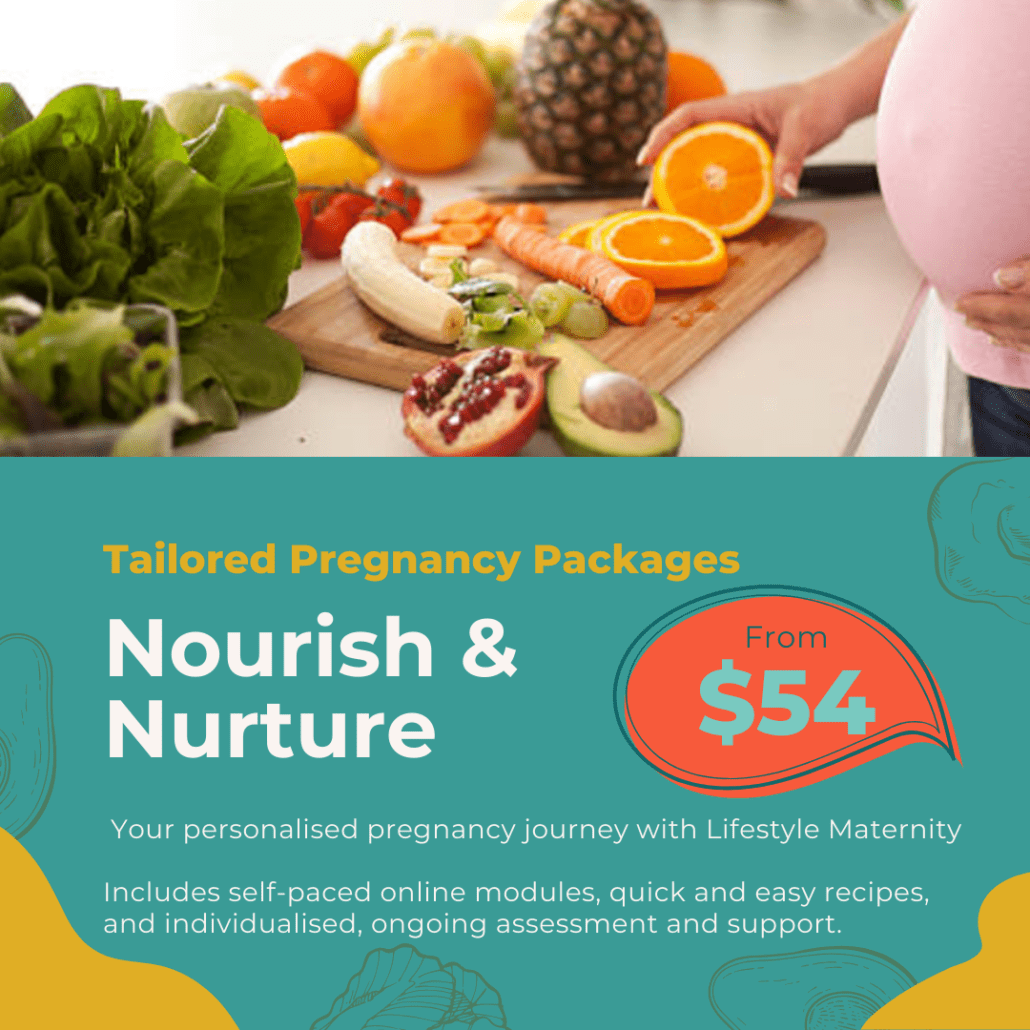
Discover our new Fertility and Pregnancy Nourish & Nurture programs. They are designed to help you shift from WANTING to change to making it HAPPEN. They deliver fertility and pregnancy supporting habits that STICK well into when you become a new mum.


Further reading:

World War II/The Dutch Famine and DOHaD/Fetal programming

Image credit:

Photo by Jelleke Vanooteghem on Unsplash

24 August 2022/by Shelley Wilkinson
https://lifestylematernity.com.au/wp-content/uploads/2022/08/jelleke-vanooteghem-chuzevDl4qM-unsplash-1-scaled.jpg 1707 2560 Shelley Wilkinson http://lifestylematernity.com.au/wp-content/uploads/2022/07/Lifestyle-Maternity-logo.png Shelley Wilkinson2022-08-24 15:47:182025-01-27 14:29:59What happens in the first 9 months can last a lifetime – understanding fetal programming.

Our latest articles

  • Headline of the new Lancet article about PMOS
    Introducing PMOS … the new name for PCOS13 May 2026 - 9:09 pm
  • Dr Shelley talks about nourishing women
    PODCAST: NOURISHING WOMEN8 May 2026 - 2:13 pm
  • This year isn’t about resolutions—it’s about results. Boost your fertility, thrive in pregnancy, or nail the ‘new normal’ with our January sale offer.30 December 2025 - 12:03 am

Article categories

  • Blood glucose levels (8)
  • Diet and Fertility (18)
  • Dietary Quality (17)
  • Fathers Diet (4)
  • Fertility (18)
  • Food safety (4)
  • Fruit & Vegetables (14)
  • Gestational Diabetes (6)
  • gut health (3)
  • Intuitive eating (5)
  • Leadership in Dietetics (1)
  • Mindful eating (9)
  • Morning Sickness (2)
  • News (1)
  • PCOS (9)
  • PMOS (1)
  • Postnatal (6)
  • Preconception (20)
  • Pregnancy (27)
  • Recipes and Meal Ideas (10)
  • Ultraprocessed foods (4)
  • Weight (14)

Articles topics

anxiety Carbohydrates Dads Diet depression diet DoHAD epigenetics Fertility fetal programming fruit Glycaemic index guidelines health healthy healthy pregnancy lifestyle maternity Lunch Meal Inspiration myths new mum nourishing nutrition nutrition essentials for pregnancy postnatal postpartum pregnancy small group workshop supplements vegetables weight gain

On-demand courses

Simple, affordable programs to help you feel confident making healthier food and exercise choices.

Nutrition resources for Lifestyle Maternity member resources

                   ::CLICK:: TO EXPERIENCE 

Lifestyle Maternity

Empowering our clients through education, resources, and support for optimal fertility, a glowing pregnancy and a happy and balanced first year after birth.

We acknowledge the Traditional Owners of country throughout Australia and recognise their continuing connection to land, waters and culture. We pay our respects to their Elders, past and present.
                                  Australian Aboriginal Flag      Torres Strait Islander Flag

Contact us

PO Box 516
Kenmore, Brisbane
QLD Australia 4069

hello@lifestylematernity.com.au


Find us on

Medical Objects

Telehealth appointment times

Wed: 12:30-14.45

Thurs: 8:15-15:00

Fri: 8:15-12:30

Sat: 8:00-11:00


BOOK NOW
© Copyright 2024 Lifestyle Maternity | Web design by Moonstone Creative
  • Link to Instagram
  • Link to Mail
  • Booking Terms & Conditions
  • Disclaimer
  • Privacy Policy
  • Contact
Scroll to top Scroll to top Scroll to top
Bite-sized ...

Get 10% off “Nutrition Essentials for Fertility” and “Nutrition Essentials for Pregnancy” with the code WELCOME10 at the checkout.

Have a nibble now … designed to transform you easily from WANTING to change to making habits STICK.