• Members area
Lifestyle Maternity
  • Link to Instagram
  • Link to Mail
  • Home
  • Our Clinic
    • How We Work
    • Our Dietitians
    • Our Partners
    • For Health Professionals
  • Our Services
    • Preconception
    • Pregnancy
    • Postnatal
  • FAQs
  • Resources
    • Free Resources
    • Nourish & Nurture Programs and PeNut Cookbooks
    • Members area
    • Booking Terms and Conditions
    • Disclaimer
    • Privacy Policy
  • Blog
  • Contact
  • BOOK NOW
  • Click to open the search input field Click to open the search input field Search
  • Menu Menu
You are here: Home1 / Nutrition News2 / Diet and Fertility3 / How does diet affect fertility?
Diet and Fertility, Fathers Diet, Fertility, Preconception

How does diet affect fertility?
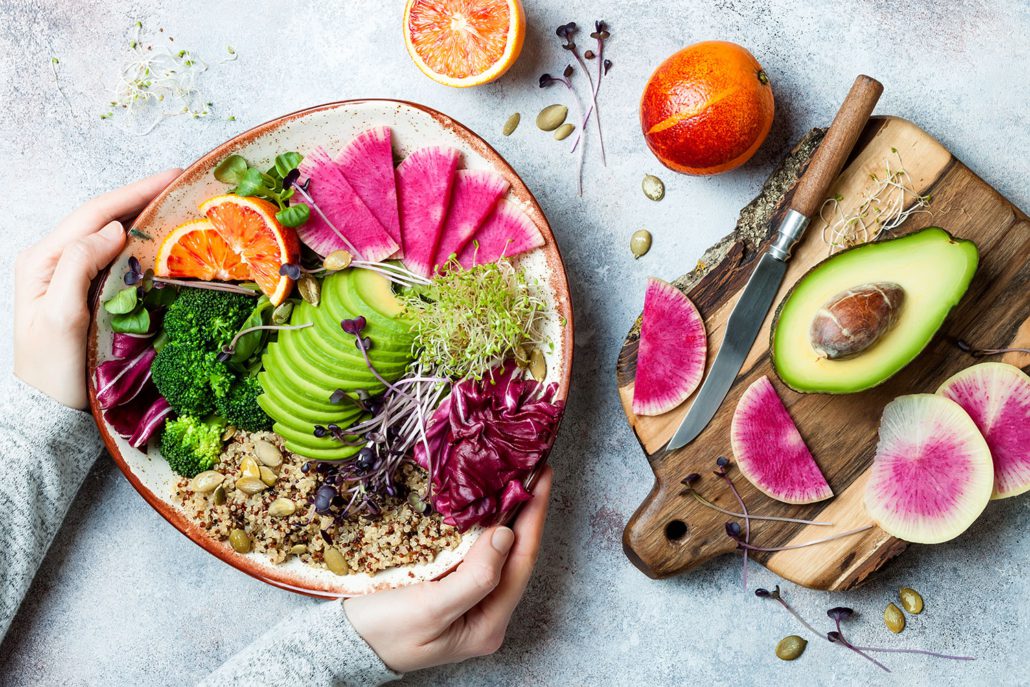
Nutrition and fertility foods for preconception

What a woman (and her partner) eats before conception plays a significant role in many parts of the pregnancy journey.

This includes how quickly they may fall pregnant, woman’s health through pregnancy, as well as how their baby develops in the womb AND it’s long-term health.

How long before I become pregnant should I be focusing on improving what I eat?

Improvements at any time are beneficial.

However, keep in mind that an egg and sperm can take around 3 months to develop and the quality of someone’s diet in this time influences the processes of producing healthy reproductive cells.

Is there a special diet I should follow to fall pregnant?

The types of food in a woman’s diet can reduce ovulatory infertility (which can occur in PCOS – polycystic ovary syndrome).

Despite some very clever marketing trying to convince us of otherwise, there are no specific foods that will help you fall pregnant. However, we know from big population studies that there is a pattern of eating that may improve your fertility. (Check out the ‘Nurses’ Health Study, if you are interested).

The recommended changes you can make relate to the types of carbs and protein you eat, how you exercise and your weight.

What supplements do I need to take?

Adequate and appropriate folic acid supplementation is essential to prevent neural tube defects (e.g. spina bifida) in your baby.

Women need an extra 400 micrograms (“μg”)/day of folic acid, in the month before conceiving and the first three months of pregnancy. This requirement is higher if your BMI is above 30kg/m2.

Although you don’t need more iodine until you become pregnant, taking a folic acid-iodine supplement is often the best way to take these nutrients.

Unless you have been diagnosed with a nutritional deficiency, you do not need to take vitamin D or iron. A single (nutrient specific) supplement is best for these in each case if you do have a deficiency.

There’s a lot of interest in zinc and selenium supplementation to improve subfertility.

Although there are many research studies in this area, they haven’t all been done well. This means it’s hard to make any firm statements about their benefits. Importantly however, none of the studies showed bad effects of taking them at levels below recommended daily intakes – so they are probably safe to take, if desired.

Want to know more?

Lifestyle Maternity’s Director and Principal Dietitian, Dr Shelley Wilkinson, was recently interviewed by journalist, Jessica Mudditt for this BBC article. Click here for a deeper dive into the links between fertility and nutrition.


If you would like further information book an appointment with a Lifestyle Maternity Dietitian or enrol in one of our online, self-paced courses.
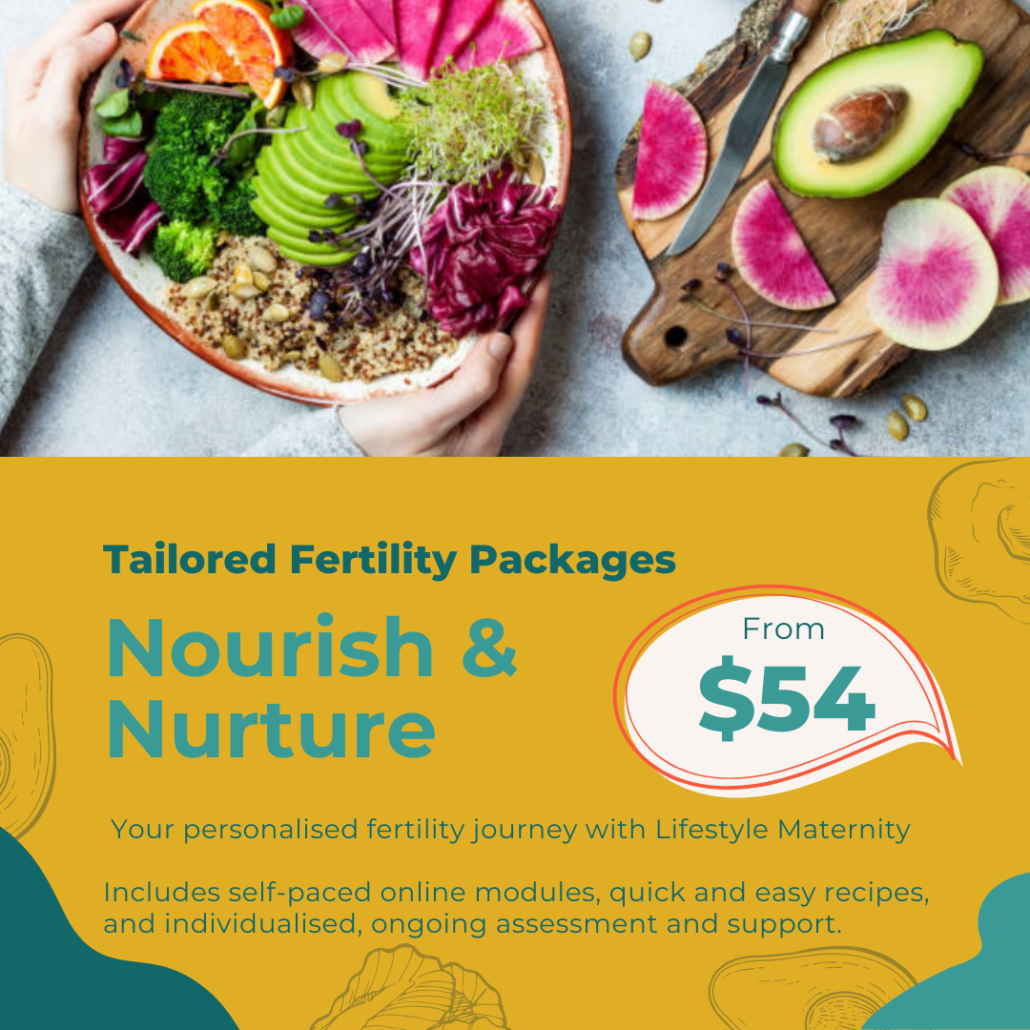


IMAGE CREDIT: iStock
IMAGE DESCRIPTION: Large flat bowl with hands either side. Contents include avocado, orange, purple cabbage, quinoa, broccoli, alfalfa sprouts, pumpkin seeds and white and read radish slices. There is a chopping board to the side with half an avocado, radish slices and a knife.

3 August 2023/by Shelley Wilkinson
Tags: Fertility
Share this entry
  • Share on Facebook
  • Share on X
  • Share on Pinterest
  • Share on LinkedIn
  • Share by Mail
https://lifestylematernity.com.au/wp-content/uploads/2022/07/nutrition-and-fertility-foods-lifestyle-maternity.jpg 1000 1500 Shelley Wilkinson http://lifestylematernity.com.au/wp-content/uploads/2022/07/Lifestyle-Maternity-logo.png Shelley Wilkinson2023-08-03 09:23:252024-11-13 16:21:30How does diet affect fertility?
You might also like
healthy lunch ideas from Dr Shelley Wilkinson Seven Quick and Healthy at-home Lunches
Is what and how you eat working for you…or against you?
Tomatoes, cucumbers, lettuce and carrots Why “2 & 5”? – understanding the science that supports our dietary guideline goals for fruit and vegetables
5 eggs in a column Five important things to consider when becoming pregnant after weight loss surgery.
Half an avocado with seed in the centre on a pink background Priming your body for pregnancy
What are Ozempic babies?

Our latest articles

  • Headline of the new Lancet article about PMOS
    Introducing PMOS … the new name for PCOS13 May 2026 - 9:09 pm
  • Dr Shelley talks about nourishing women
    PODCAST: NOURISHING WOMEN8 May 2026 - 2:13 pm
  • This year isn’t about resolutions—it’s about results. Boost your fertility, thrive in pregnancy, or nail the ‘new normal’ with our January sale offer.30 December 2025 - 12:03 am

Article categories

  • Blood glucose levels (8)
  • Diet and Fertility (18)
  • Dietary Quality (17)
  • Fathers Diet (4)
  • Fertility (18)
  • Food safety (4)
  • Fruit & Vegetables (14)
  • Gestational Diabetes (6)
  • gut health (3)
  • Intuitive eating (5)
  • Leadership in Dietetics (1)
  • Mindful eating (9)
  • Morning Sickness (2)
  • News (1)
  • PCOS (9)
  • PMOS (1)
  • Postnatal (6)
  • Preconception (20)
  • Pregnancy (27)
  • Recipes and Meal Ideas (10)
  • Ultraprocessed foods (4)
  • Weight (14)

Articles topics

anxiety Carbohydrates Dads Diet depression diet DoHAD epigenetics Fertility fetal programming fruit Glycaemic index guidelines health healthy healthy pregnancy lifestyle maternity Lunch Meal Inspiration myths new mum nourishing nutrition nutrition essentials for pregnancy postnatal postpartum pregnancy small group workshop supplements vegetables weight gain

On-demand courses

Simple, affordable programs to help you feel confident making healthier food and exercise choices.

Nutrition resources for Lifestyle Maternity member resources

                   ::CLICK:: TO EXPERIENCE 

Lifestyle Maternity

Empowering our clients through education, resources, and support for optimal fertility, a glowing pregnancy and a happy and balanced first year after birth.

We acknowledge the Traditional Owners of country throughout Australia and recognise their continuing connection to land, waters and culture. We pay our respects to their Elders, past and present.
                                  Australian Aboriginal Flag      Torres Strait Islander Flag

Contact us

PO Box 516
Kenmore, Brisbane
QLD Australia 4069

hello@lifestylematernity.com.au


Find us on

Medical Objects

Telehealth appointment times

Wed: 12:30-14.45

Thurs: 8:15-15:00

Fri: 8:15-12:30

Sat: 8:00-11:00


BOOK NOW
© Copyright 2024 Lifestyle Maternity | Web design by Moonstone Creative
  • Link to Instagram
  • Link to Mail
  • Booking Terms & Conditions
  • Disclaimer
  • Privacy Policy
  • Contact
Link to: Alcohol could affect your fertility more than you think Link to: Alcohol could affect your fertility more than you think Alcohol could affect your fertility more than you think Link to: The Ultimate Guide to Supplements and Fertility: What Works, What Doesn’t, and What to Avoid. (Hint: it’s probably not what you think…) Link to: The Ultimate Guide to Supplements and Fertility: What Works, What Doesn’t, and What to Avoid. (Hint: it’s probably not what you think…) The Ultimate Guide to Supplements and Fertility: What Works, What Doesn’t,...
Scroll to top Scroll to top Scroll to top
Bite-sized ...

Get 10% off “Nutrition Essentials for Fertility” and “Nutrition Essentials for Pregnancy” with the code WELCOME10 at the checkout.

Have a nibble now … designed to transform you easily from WANTING to change to making habits STICK.